
DAOISTMBA
    Practitioner First

    A life lived between worlds.

    Why does Diego see problems differently? Because he has spent decades inside the problems — not observing them from a distance.

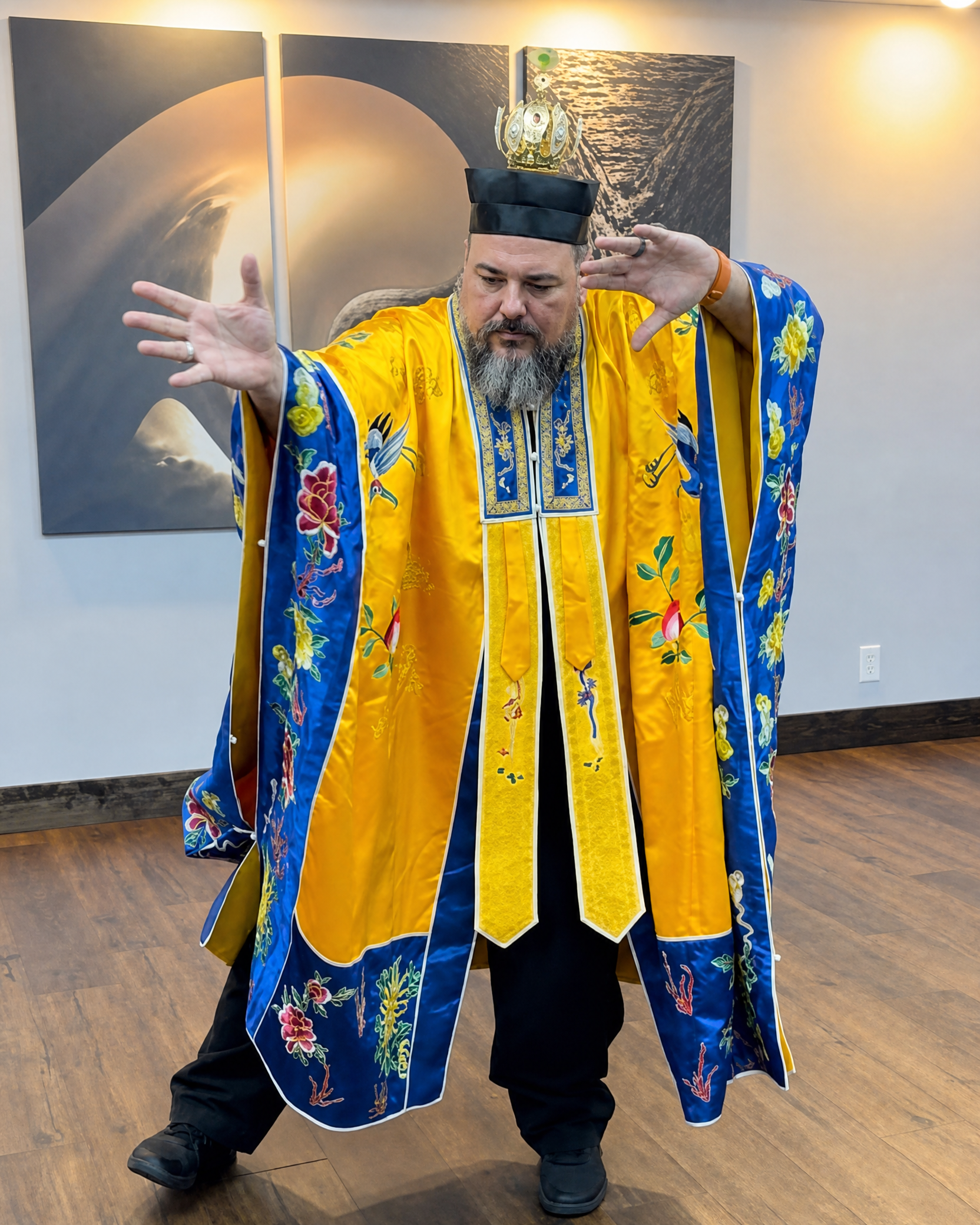
    Diego in Daoist ceremonial robes — practitioner at work
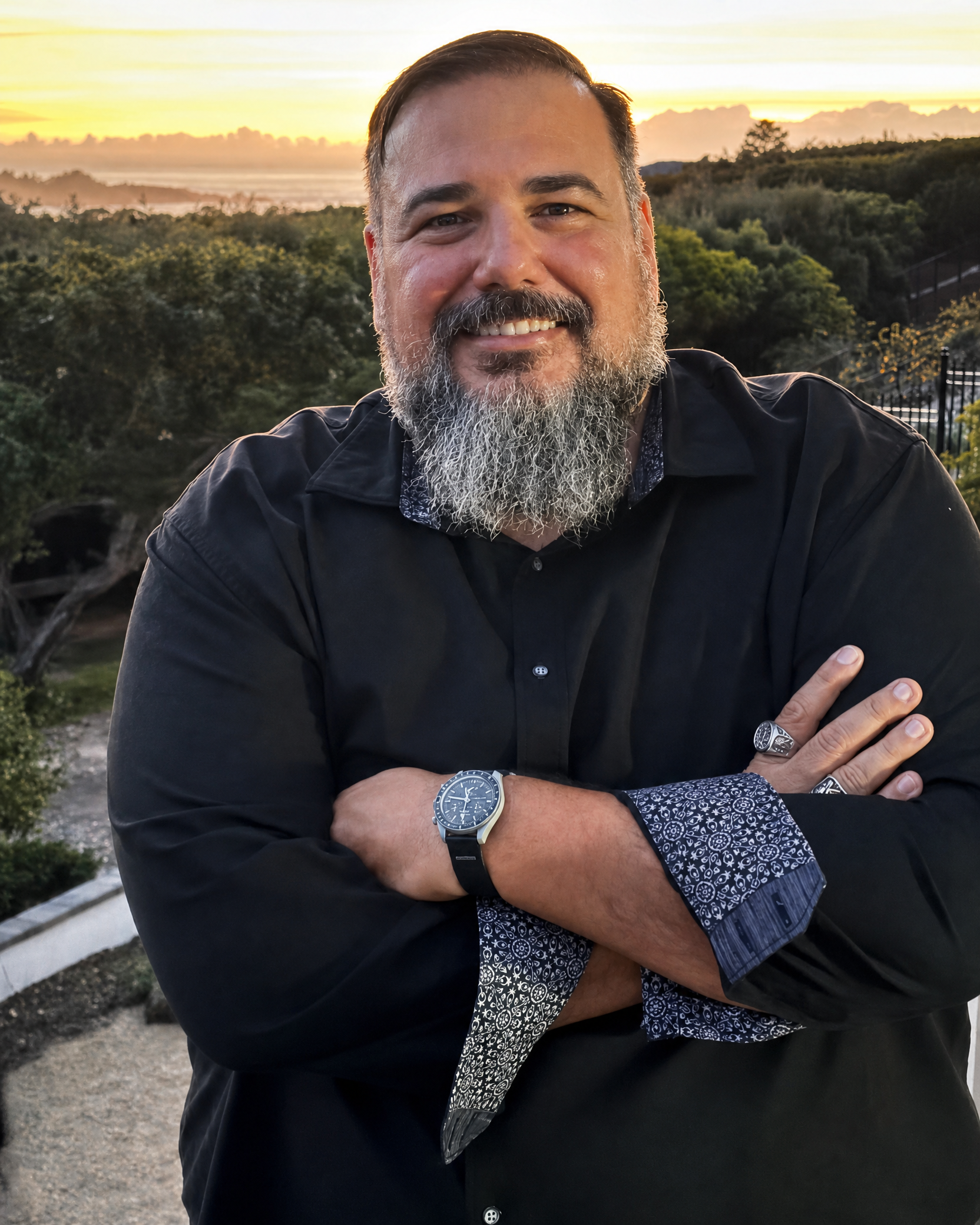
    Portrait of Diego Sanmiquel — between worlds
    01

    Opening philosophy

    I do not believe the role of a teacher or consultant is to stand outside life and explain it. I believe you have to get your hands dirty — to build, to fail, to practice, to change direction, and to live with the consequences of your own decisions before you presume to help anyone else with theirs.

    That belief is the foundation of everything on this website. It is why I do not position myself as someone who has all the answers. My role is to help you see enough that you can make better decisions and recognize your own direction.
    02

    The unconventional path

    My path has never followed a single professional category. I have spent decades moving between worlds that are usually kept separate — business and spiritual practice, clinical work and leadership, ancient traditions and modern organizations, boardrooms and temples.

    I did not set out to combine these. I set out to take each of them seriously on its own terms. Over time, the combination became the work.

    03

    Business and entrepreneurship

    I have an MBA. I have built businesses. I have worked with business owners, advised leaders, and operated inside the practical realities of revenue, profitability, marketing, growth, strategy, and execution.

    I take money and business seriously. I understand their importance, and I would not pretend otherwise. But I also do not believe money and business can answer every important question. That tension — taking business seriously without making it the whole answer — is central to how I work.

    04

    Daoist practice and lineage

    I have practiced and studied Daoism for decades. I have studied with teachers, trained in China, and committed to a living lineage rather than an abstract interest in philosophy.

    Daoism is not, for me, a decorative identity. It is the underlying operating philosophy of how I examine change, timing, human behavior, systems, balance, and perception. Roughly three-quarters of the philosophical foundation of my work is Daoist — but it is a Daoism asked to survive contact with real life, not one kept in a temple.

    05

    Medical Qigong and clinical work

    I practice and teach Medical Qigong — a branch of Chinese energetic medicine. I have worked clinically, and I continue to treat and train in this area alongside my teaching and consulting.

    I keep this work separate from Human Systems Consulting. It is a specialized practice, and I present it honestly: grounded, professional, and without exaggerated claims. I do not promise cures. I do careful, disciplined work.

    06

    Teaching

    I have built educational programs, led ongoing classes, and taught students across Daoism, Medical Qigong, Qigong, Taiji, meditation, and cultivation over many years.

    Teaching is not a side activity for me. It is one of the primary ways I do this work — not by handing people a doctrine to follow, but by helping them develop the capacity to see clearly and practice consistently.

    07

    Leadership and organizational experience

    I have led organizations and worked inside the human realities of leadership — the friction, the misalignment, the repeating problems, the decisions that resist clean solutions.

    This is where Human Systems Consulting comes from. A business is a human system, not simply a collection of numbers and processes. I learned that by being inside it, not by reading about it.

    08

    China and traditional training

    I have traveled and trained in China, including time in Wudang and with traditional teachers. That training matters — not as a credential to display, but because direct contact with a living tradition changes how you see.

    It is one thing to study a tradition from a distance. It is another to stand inside it, practice it, and be shaped by it.

    09

    Why these disciplines belong together

    People often ask how Daoism, business, medicine, and teaching belong to one body of work. The answer is simple: because they belong to one life. I did not assemble them as a brand. I lived them as a path.

    The common thread is the practice of seeing — recognizing what is hard to see from where you are standing, whether you are standing in a boardroom, a clinic, a classroom, or your own life.

    Selected Credentials

    The story, supported — not replaced — by credentials.

    • MBA — business strategy, finance, and organizational leadership
    • Decades of Daoist study and practice within a living lineage
    • Medical Qigong practitioner and clinical instructor
    • Trained in China, including Wudang and traditional teachers
    • Founder and operator of multiple businesses
    • Developer of educational programs in Daoism, Qigong, and cultivation
    • Advisor to founders, executives, and holistic practitioners
    • Speaker and teacher for conferences, universities, and organizations
    Current Work

    One coherent body of work — not a collection of titles.

    Today I work as a human systems consultant, a teacher, a speaker, and a Medical Qigong practitioner. I lead classes and programs, advise leaders and practitioners, and continue my own practice.

    None of these are separate careers. They are one practice, expressed through different doorways — depending on what the person in front of me actually needs.

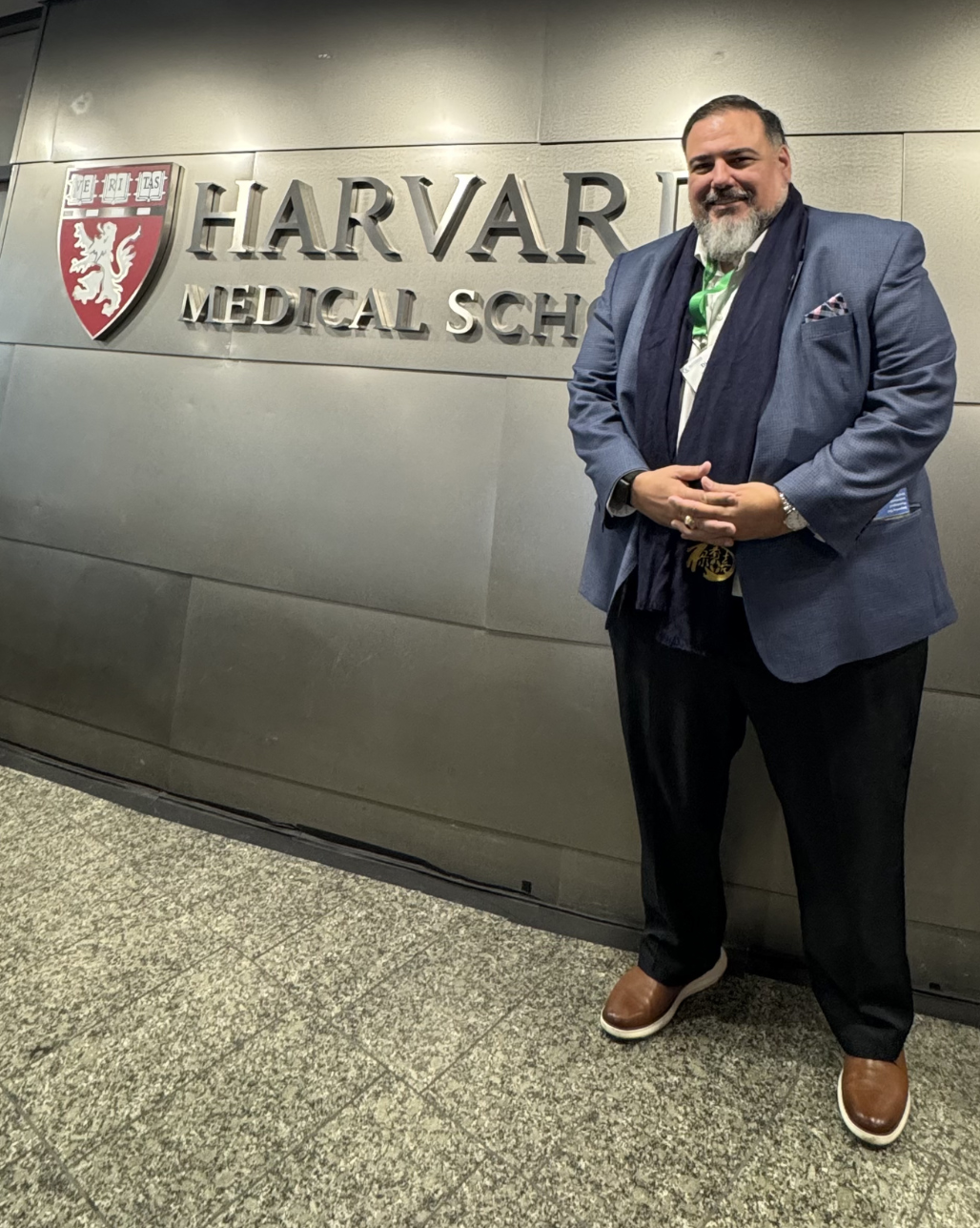
    Diego at Harvard Medical School — bridging medicine, business, and practice
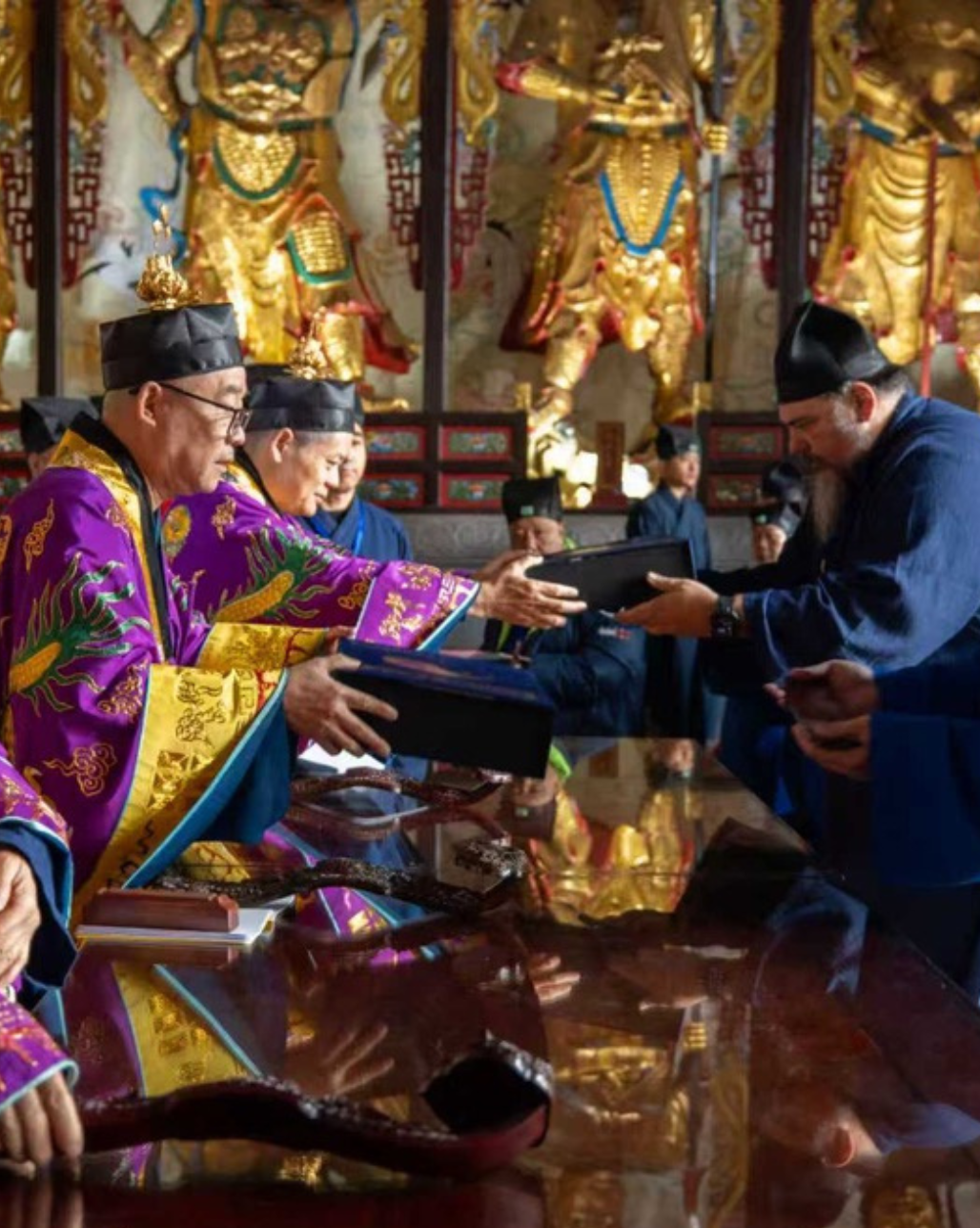
    Diego practicing — Daoist ceremony inside a traditional temple